Stronger cooperation between China and Spain

Despite the ongoing conflicts over state subsidies and other trade-related issues between the European Union and the People’s Republic of China, in 2024 Beijing proved his willingness to foster and improve its trade relations with many European countries. Among them, Spain has been active in recent years towards strengthening the bilateral exchanges with China, as proved last month when Spanish Prime Minister Pedro Sánchez hold an official visit in the Asian country on 8-11 September.
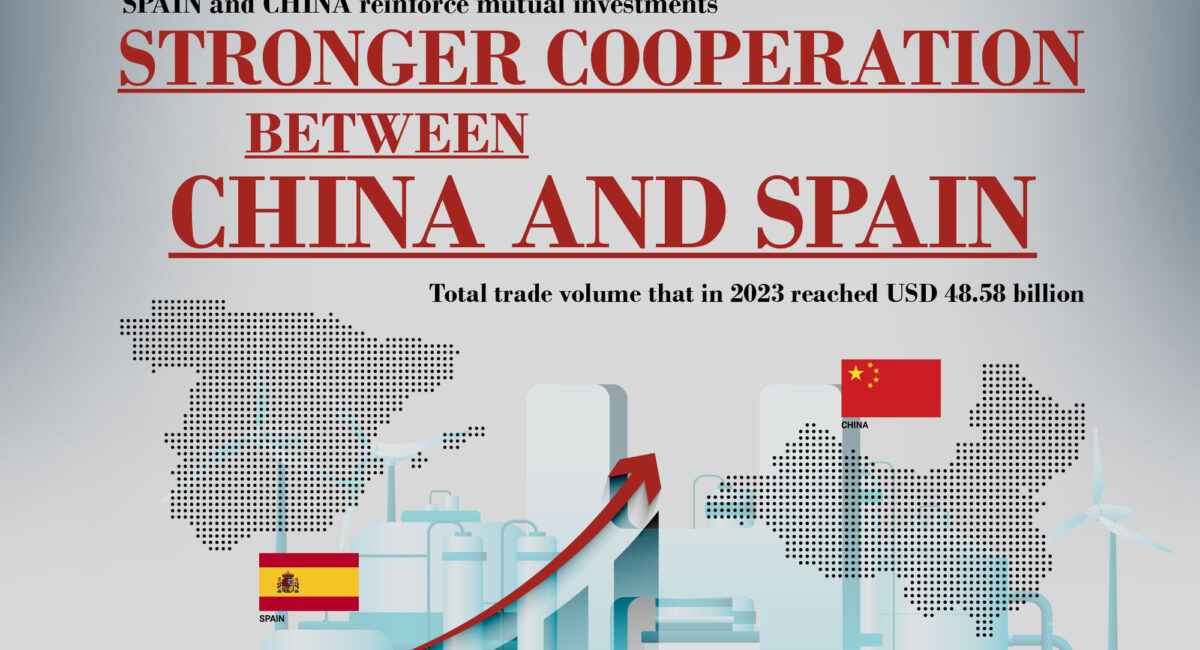
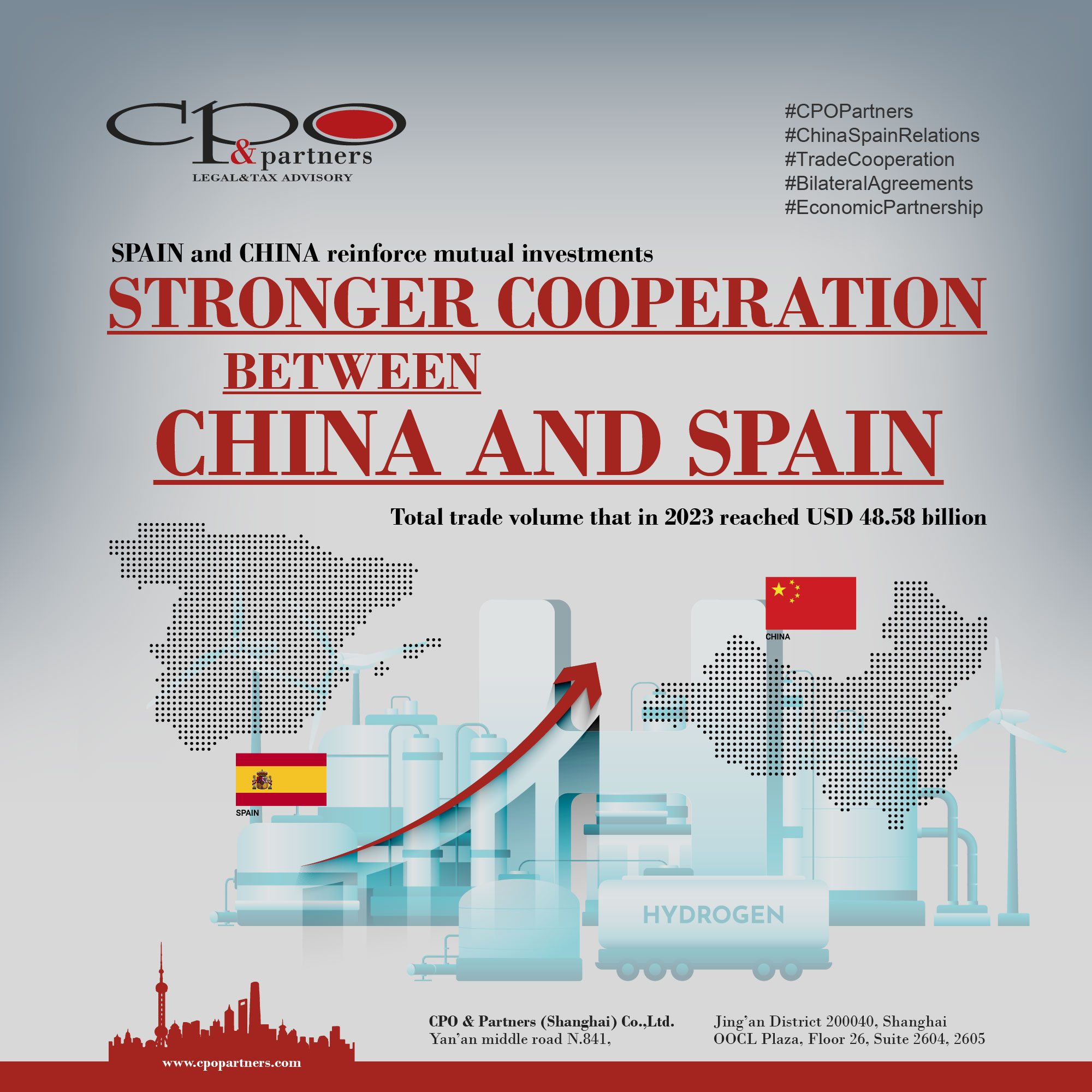
As China’s fifth-largest trading partner within the EU, Spain has all the interest in promoting mutual openness in the trade environment between the two countries, with a total trade volume that in 2023 reached USD 48.58 billion. The economic ties were strengthened during recent years with a series of agreements, among which a Bilateral Investment Treaty (BIT) in force since 2008, a Double Tax Avoidance Agreement (DTA) in force since 2021, and a Social Insurance Agreement, effective since 2018 , this latter is an agreement that for example other European Nations, as Italy, do not have with China. One of the purposes of Sánchez’s visit was to reinforce mutual investments in a different variety of sectors: in this direction goes the deal, announced by the Spanish delegation and worth one billion dollars, signed with the Chinese Envision Group to build a new hydrogen equipment factory in Spain.
New opening up in China’s healthcare sector

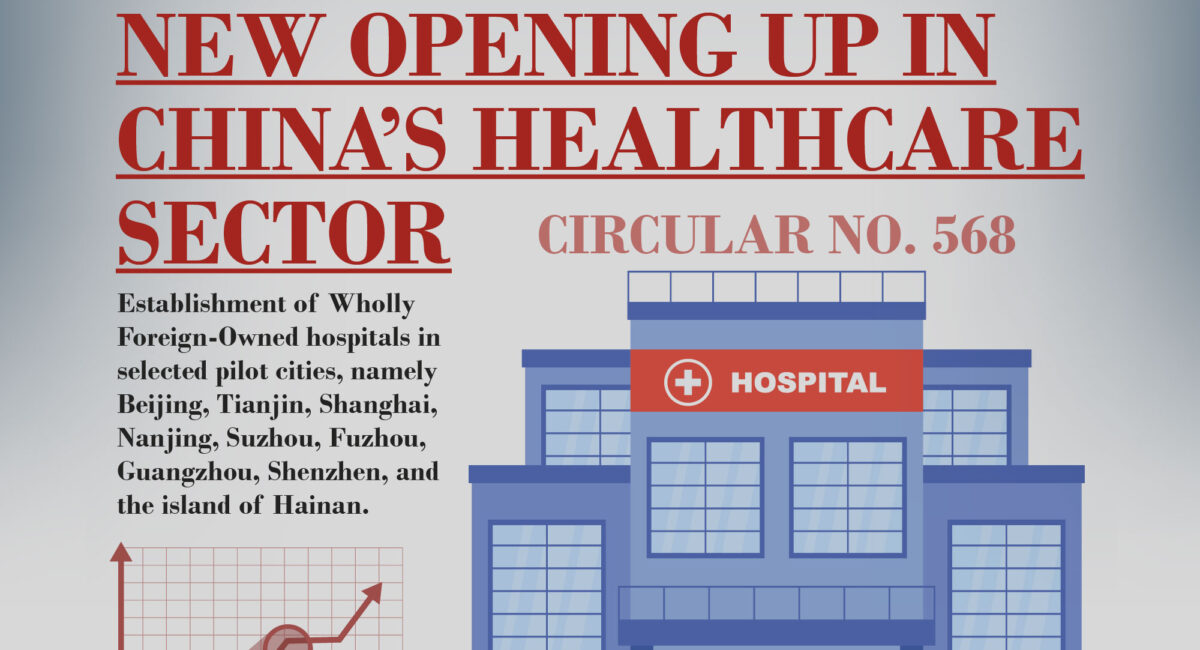
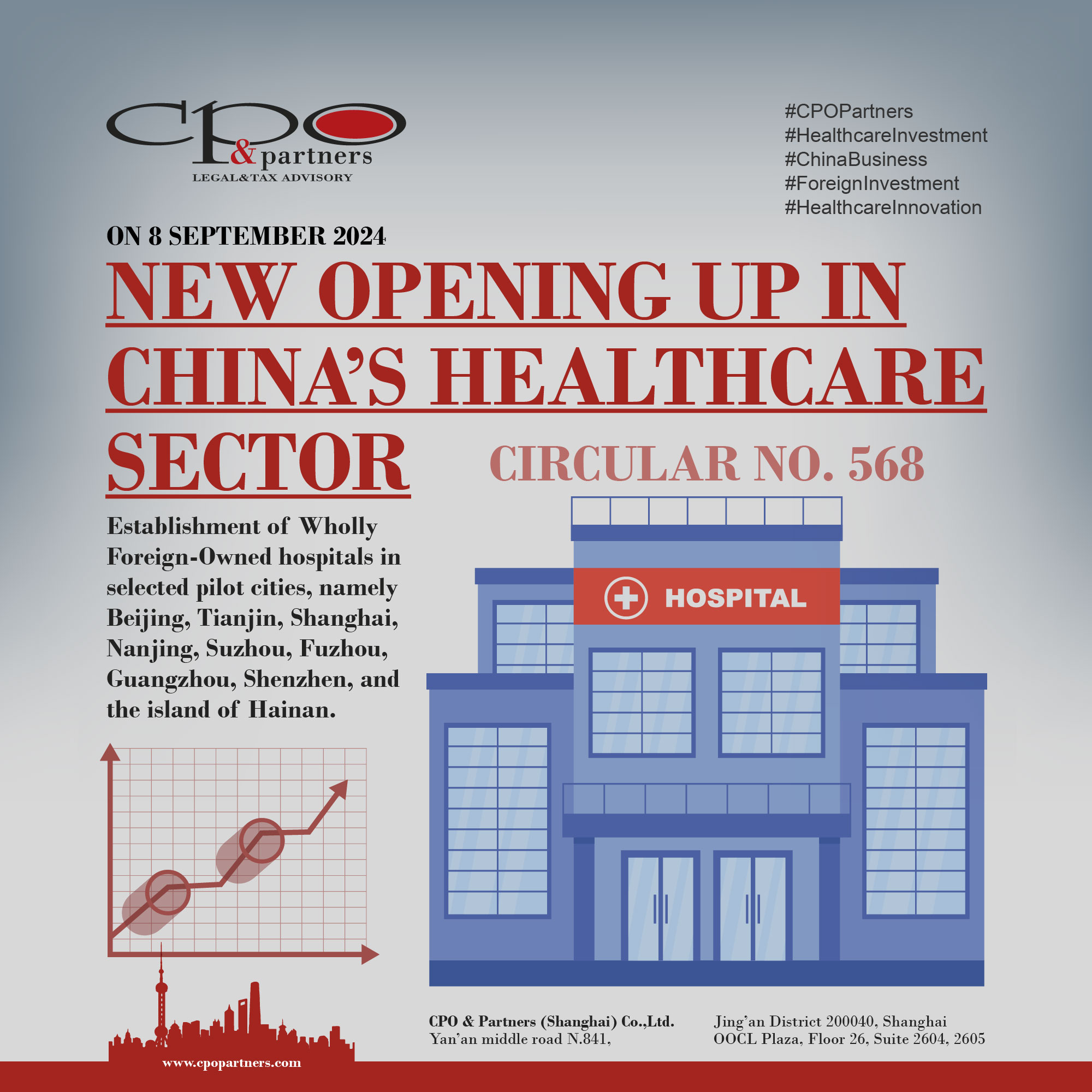
On 8 September, the Ministry of Commerce (MOFCOM) of the People’s Republic of China published the Circular No. 568, concerning the establishment of Wholly Foreign-Owned hospitals in selected pilot cities, namely Beijing, Tianjin, Shanghai, Nanjing, Suzhou, Fuzhou, Guangzhou, Shenzhen, and the island of Hainan. This move represents a further development in the process of opening up the country’s health sector to foreign investments, following a similar pilot project that in 2014 introduced the possibility of establishing Wholly Foreign-Owned hospitals. However, due to the stringent requirements imposed on them, the 2014 project mainly prompted foreign investors to channel their resources towards setting up hospitals through Joint Ventures and cooperation agreements with Chinese companies. The new Circular, which do not cover the Chinese traditional medicine field and the mergers and acquisitions of public hospitals, could become a great source of attractiveness for investments in a market of increasing importance, considering the healthcare needs of the rapidly aging Chinese population. To evaluate the effective potential of the new Circular it will be necessary to wait for the specific conditions and requirements, which will be announced separately.
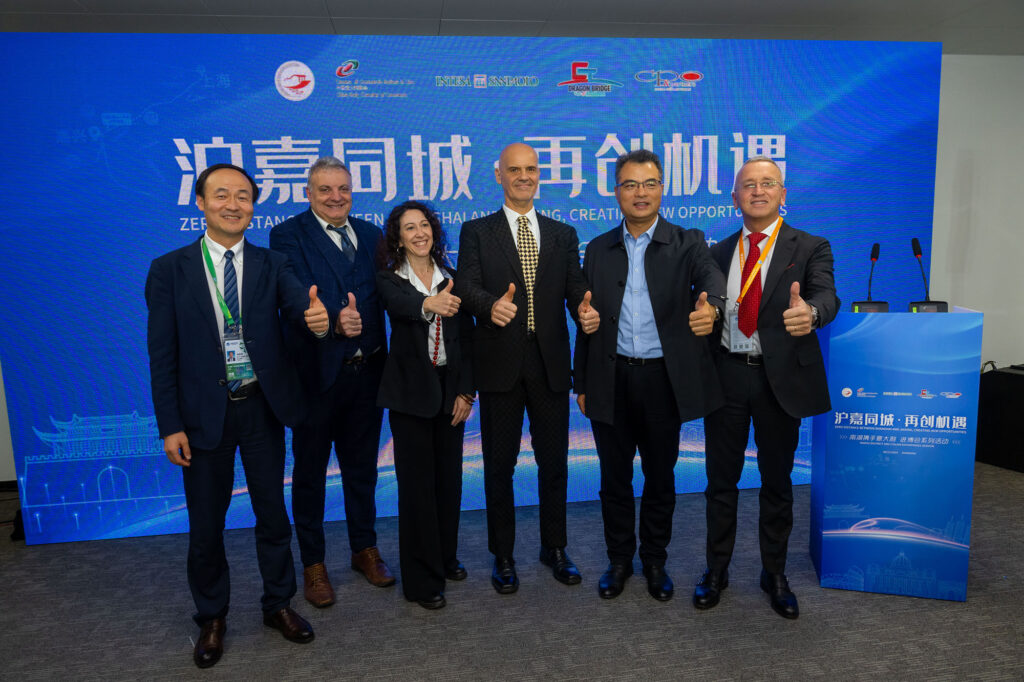
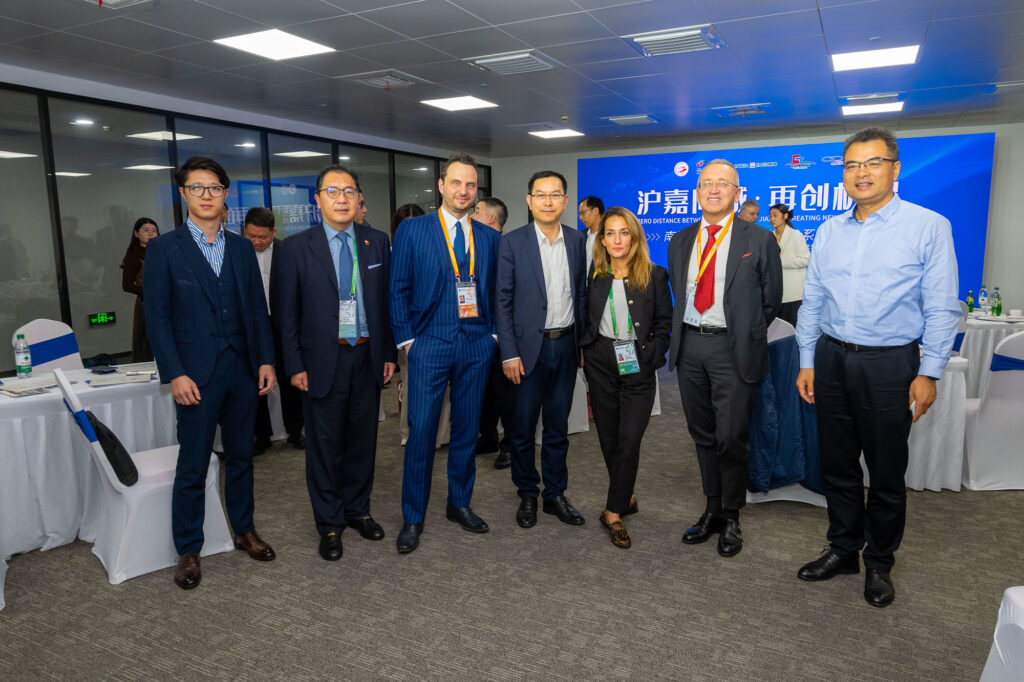
Incontro Parco Industriale High-Tech Jiaxing Nanhu

Incontro con il Parco Industriale High-Tech Jiaxing Nanhu
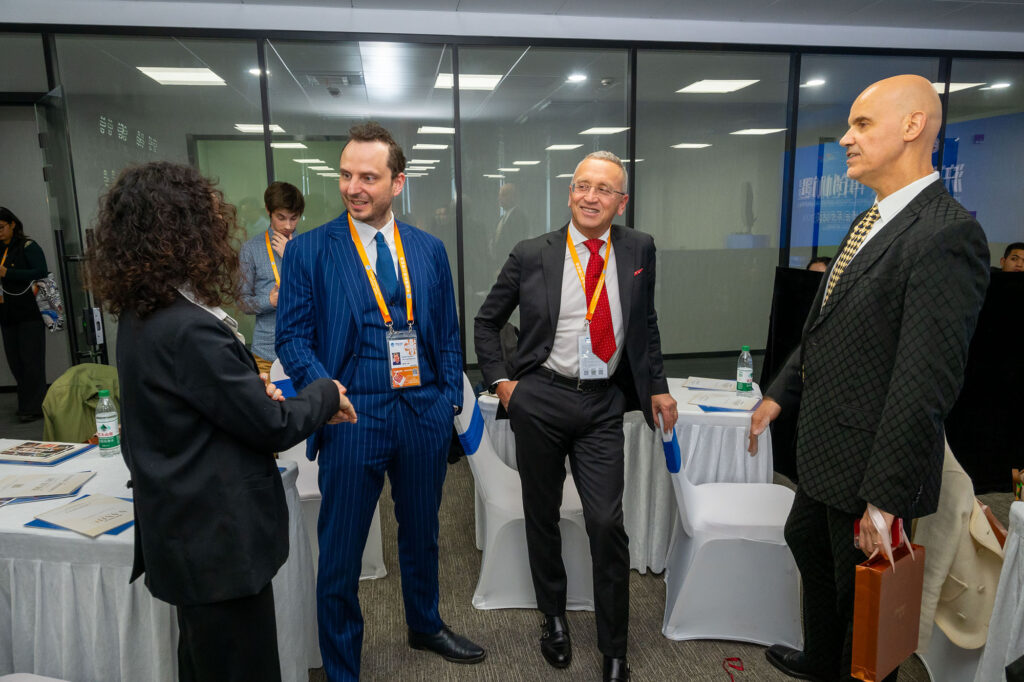
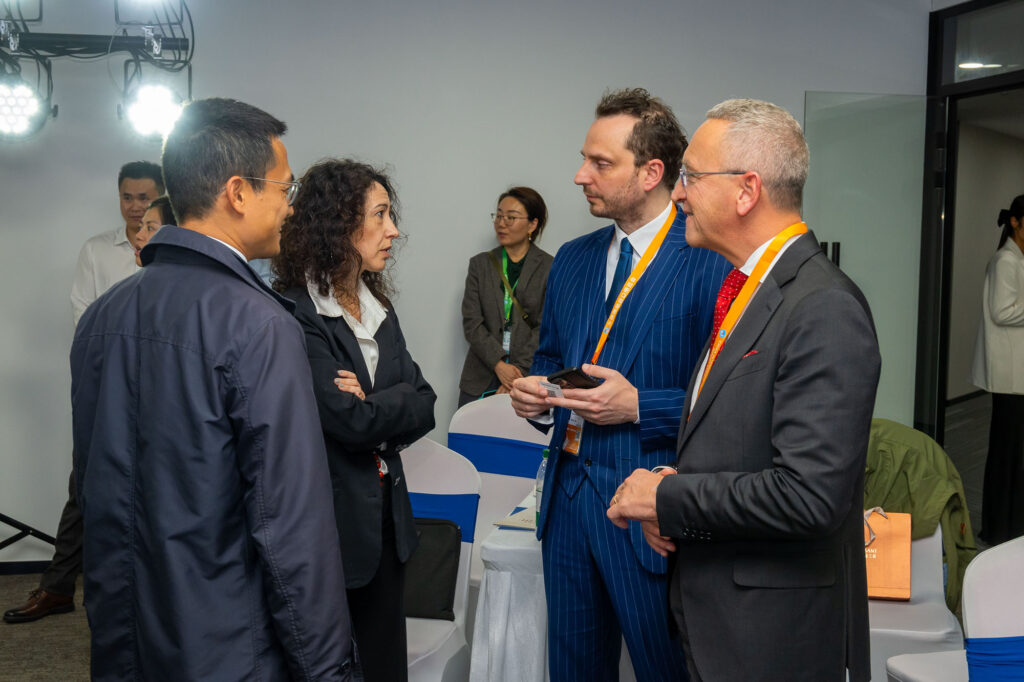
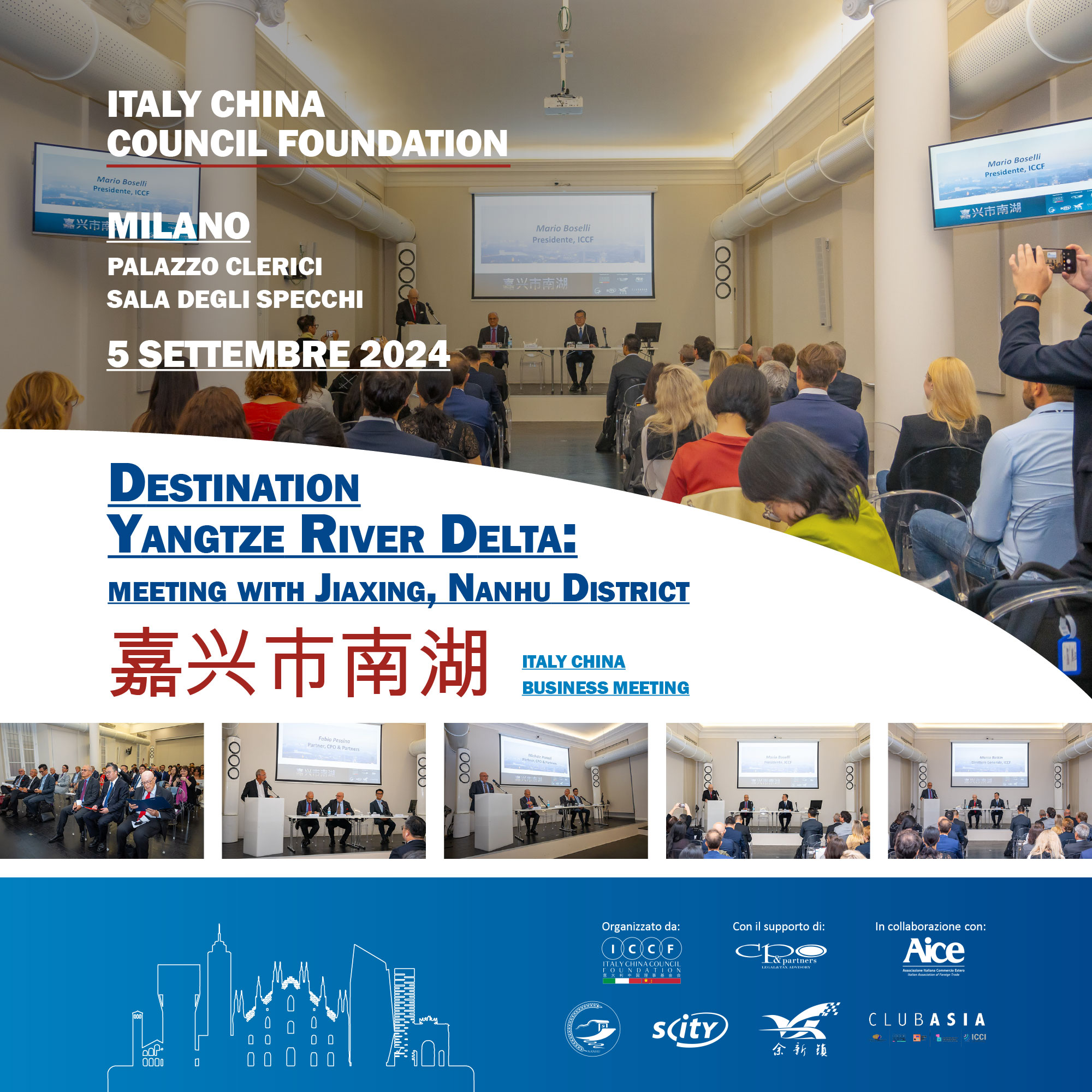
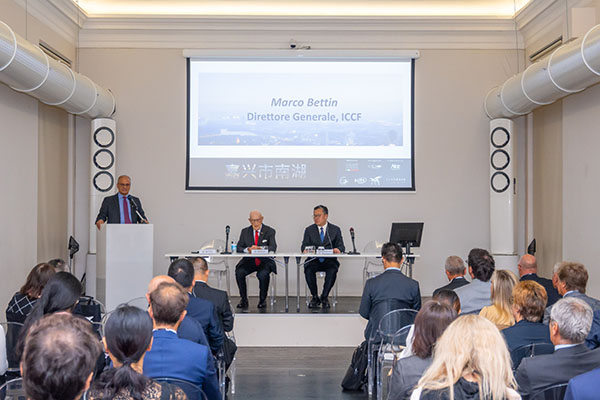
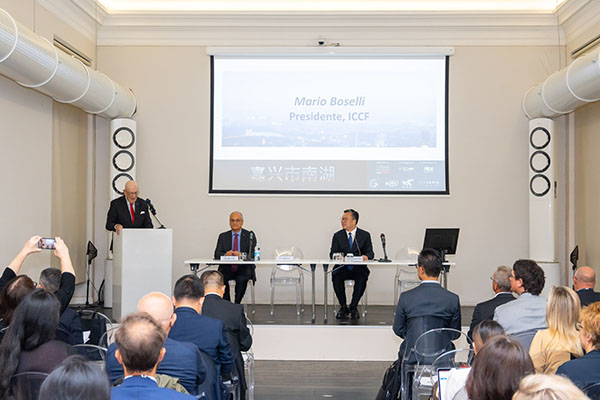
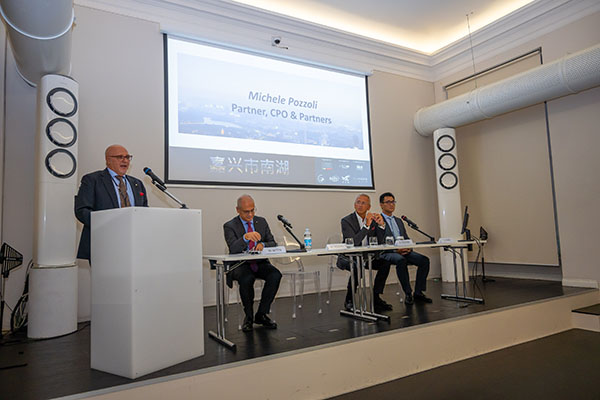
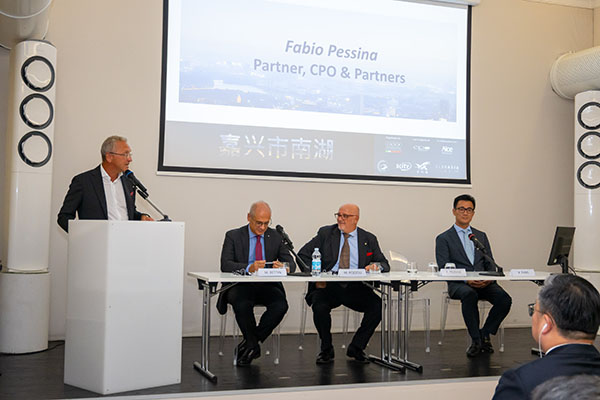
Questa mattina si è tenuto con successo a Milano l’evento “Destination Yangtze River Delta: Incontro con Jiaxing, Distretto Nanhu”, organizzato da CPO and Partners con Dragon Bridge Investments con il supporto della Italy China Council Foundation (ICCF) e in collaborazione con AICE. La delegazione del Parco Industriale High-tech Jiaxing Nanhu ha presentato le opportunità di investimento in una delle aree economiche più dinamiche della Cina, promuovendo discussioni su future collaborazioni tra Italia e Cina.
This morning, the event “Destination Yangtze River Delta: Meeting with Jiaxing, Nanhu District” was successfully held in Milan, organized by CPO and Partners and Dragon Bridge Investments with the support of Italy China Council Foundation (ICCF) and in collaboration with AICE. The Jiaxing Nanhu High-tech Industrial Park delegation presented investment opportunities in one of the most dynamic economic areas of China, fostering discussions on future collaborations between Italy and China.
Knowledge sharing on new business regulations for investment projects

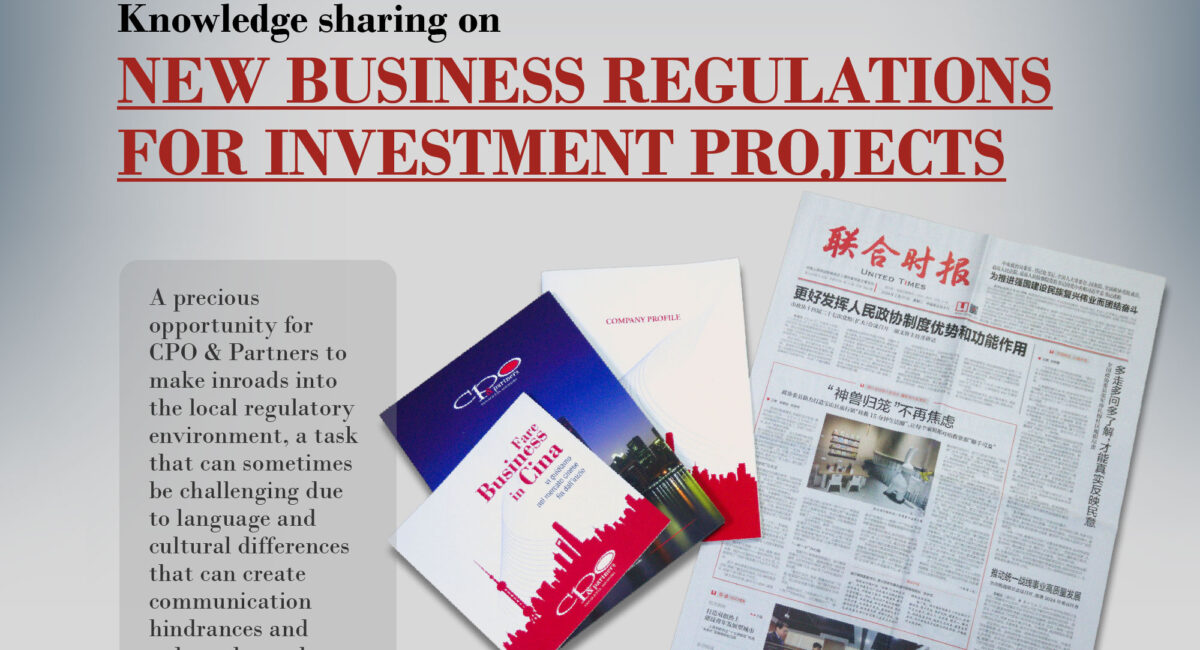
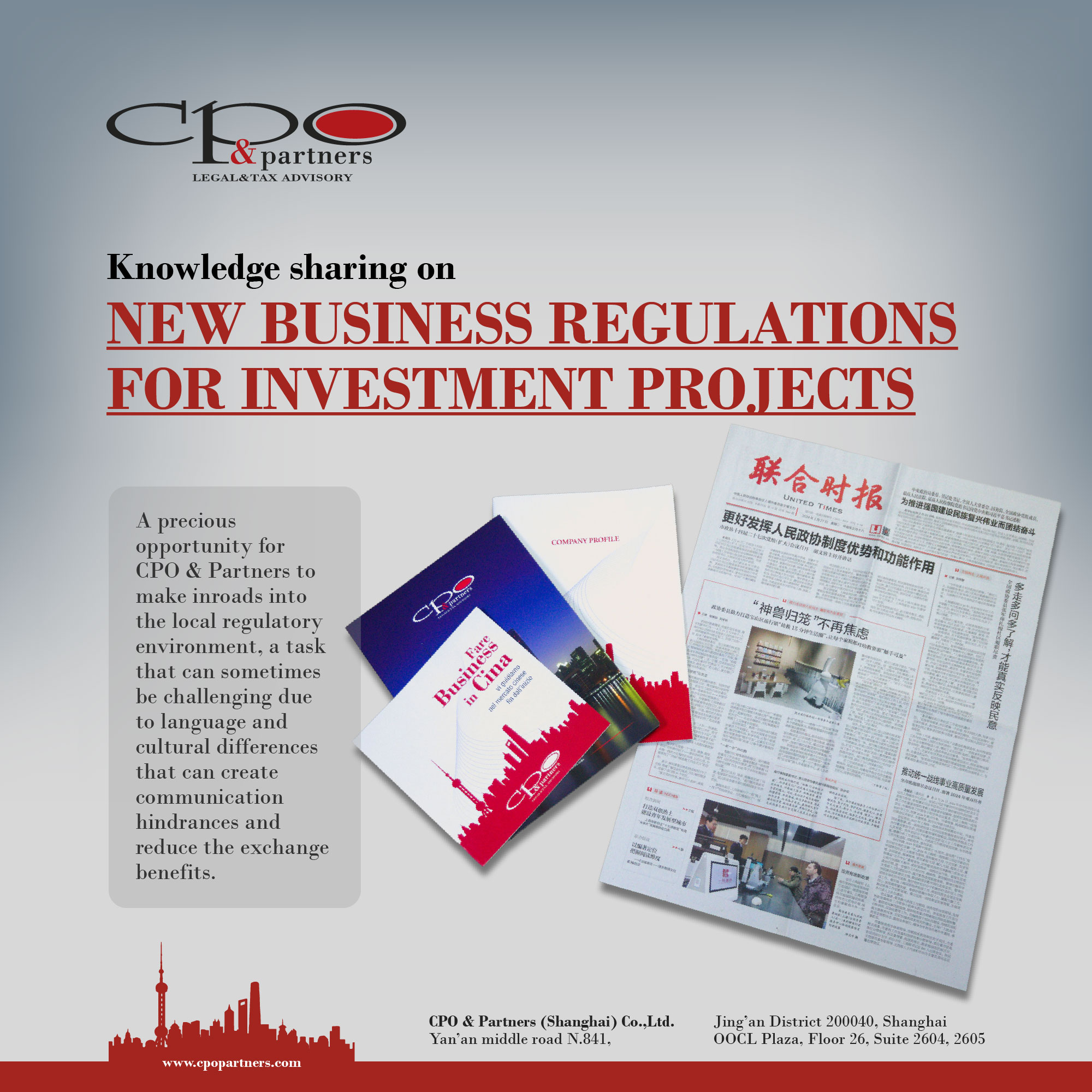
The business regulatory environment in China is in constant evolution, prompting local administrations to understand, manage, and carry out the new regulations issued at the national and provincial level, a task that can be burdensome due to the complexity of the matters involved. Recently, the Shanghai Municipality issued the «Shanghai Action Plan to Adhere to Benchmark Reform and Continuously Create a World-Class Business Environment», whose main intent is to reach a greater optimization of the business environment in China, so as to attract top-quality domestic and international companies.
As a legal and tax consultancy firm with a solid footprint in Shanghai, CPO & Partners went to visit the Jing’an Administrative Service Center to have a meeting with the district administration on the new policies for investment projects found in the «Shanghai Action Plan».
This represents a precious opportunity for CPO & Partners to make inroads into the local regulatory environment, a task that can sometimes be challenging due to language and cultural differences that can create communication hindrances and reduce the exchange benefits. Moreover, dealing with the district authorities is a good way to network with local offices and understand their functioning, in the belief that only by properly knowing the administrative system one can accurately provide consultation, in order to reach a win-win outcome that is advantageous for both parties.
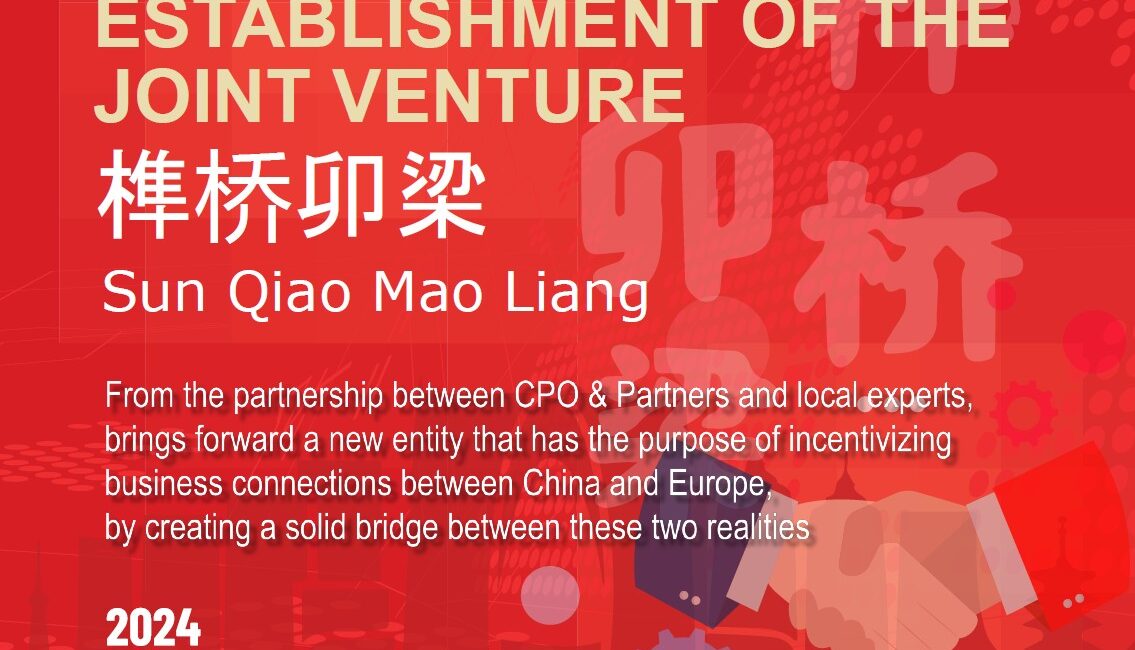
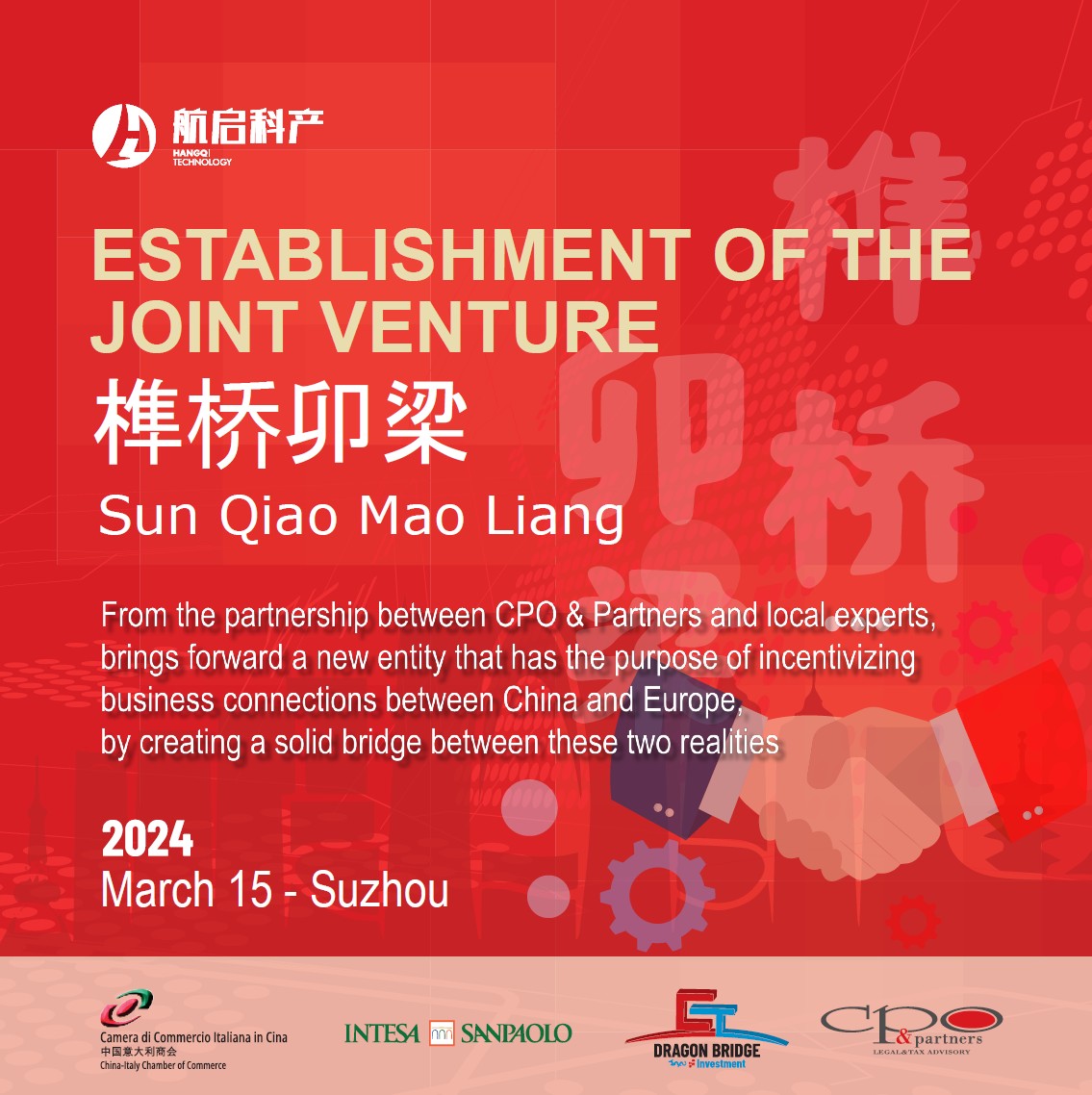
ESTABLISHMENT OF THE JOINT VENTURE

La costituzione della joint venture 榫桥卯梁Sun Qiao Mao Liang, nata dalla partnership tra CPO & Partners ed esperti locali, dà vita ad una nuova entità con lo scopo di promuovere le relazioni commerciali tra Cina ed Europa, creando un solido ponte tra queste due realtà.
Il nome scelto per questo nuovo progretto è già di per sé una dichiarazione dei principi che andranno a guidare tale partnership. I quattro caratteri cinesi scelti costituiscono l’unione di due distinte parole: 榫卯 e 桥梁. La seconda, qiaoliang, ponte, simboleggia l’unione che la joint venture intende creare tra il mondo del business cinese e quello europeo. La prima, sunmao, la giunzione a mortasa e tenone, incarna un più importante valore simbolico che trova le proprie radici nella secolare storia cinese. Sunmao era una tecnica strutturale impiegata nell’architettura e nei mobili dell’antica Cina, caratterizzata dalla combinazione di una parte concava e una convessa senza l’utilizzo di chiodi. La sua peculiarità non risiede solamente nell’ingegnosità della tecnica, ma soprattutto nella necessità di un perfetto adattamento tra ogni componente. È proprio questo adattamento a conferire solidità e durabilità all’intera struttura, come dimostra la Città Proibita, prezioso esempio di utilizzo del sunmao che senza dubbio è stata in grado di resistere alla prova del tempo.
È con questo spirito che Sun Qiao Mao Liang opererà: stabilire un perfetto e duraturo adattamento tra entità cinesi e straniere, per creare un ponte stabile tra Cina ed Europa, una connessione basata su un terreno solido e capace di resistere alla sfida del tempo.
Per introdurre questa nuova joint venture si terrà il 15 marzo a Suzhou un evento sponsorizzato dalla Camera di Commercio italiana in Cina, Banca Intesa Sanpaolo, Cpo & Partners e Jiashan Hangqike Industrial Park Management Co., Ltd. [verificare il nome], durante il quale verrà inoltre presentata una panoramica sulla situazione degli attuali e futuri rapporti di business tra Cina e Italia.
Productive meetings with government officials in Jiaxing