
Cool Car Show di Hangzhou
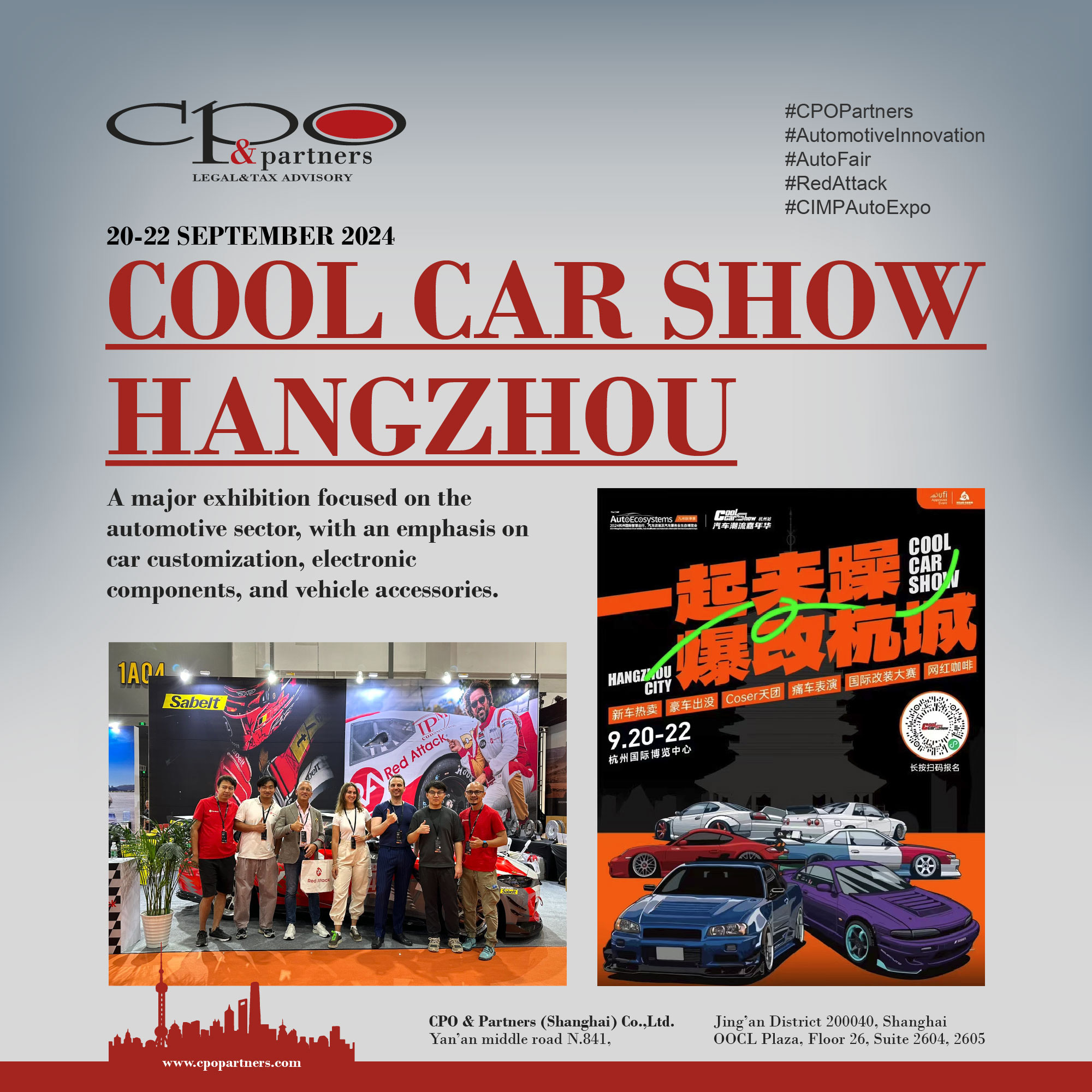
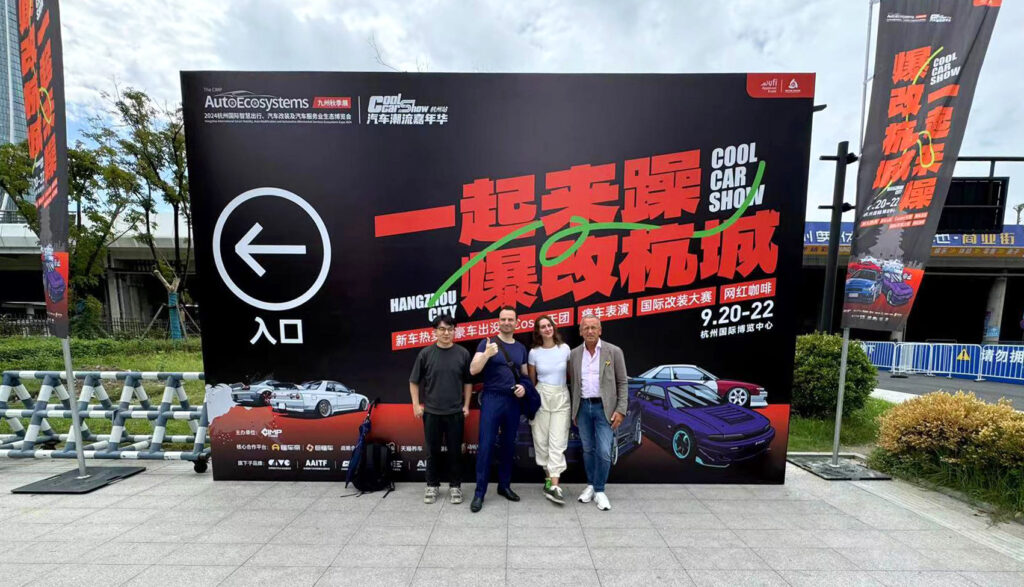
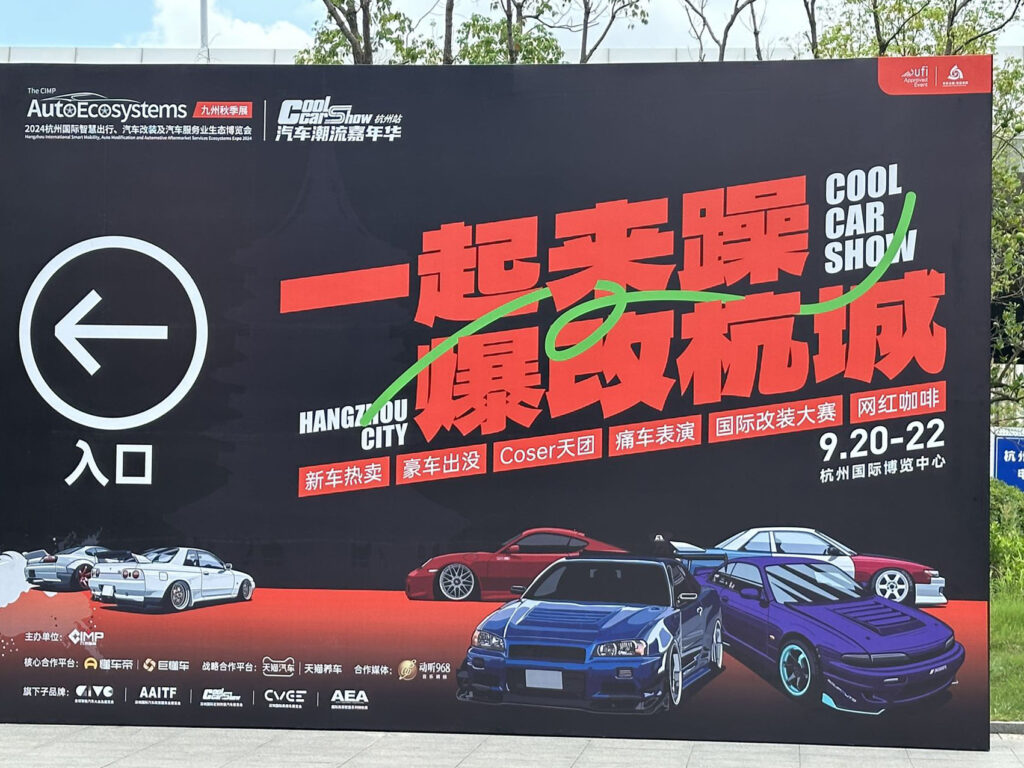
From September 20 to 22, 2024, the COOL CAR SHOW is taking place in Hangzhou, a major exhibition focused on the automotive sector, with an emphasis on car customization, electronic components, and vehicle accessories. The event hosts over 60,000 visitors and 1,000 selected exhibitors, creating the perfect environment to explore automotive innovations.
Among the exhibitors, we were pleased to visit the stand of 𝗠𝗼𝘁𝗼𝗿𝗾𝘂𝗮𝗹𝗶𝘁𝘆, one of our clients, who stands out in the vehicle modification and tuning sector.
The event also features ITA/ICE (Italian Trade Agency) among its organizers, further confirming the importance of international collaboration in this field.



Mid-Autumn Festival, Zhongqiu Jie
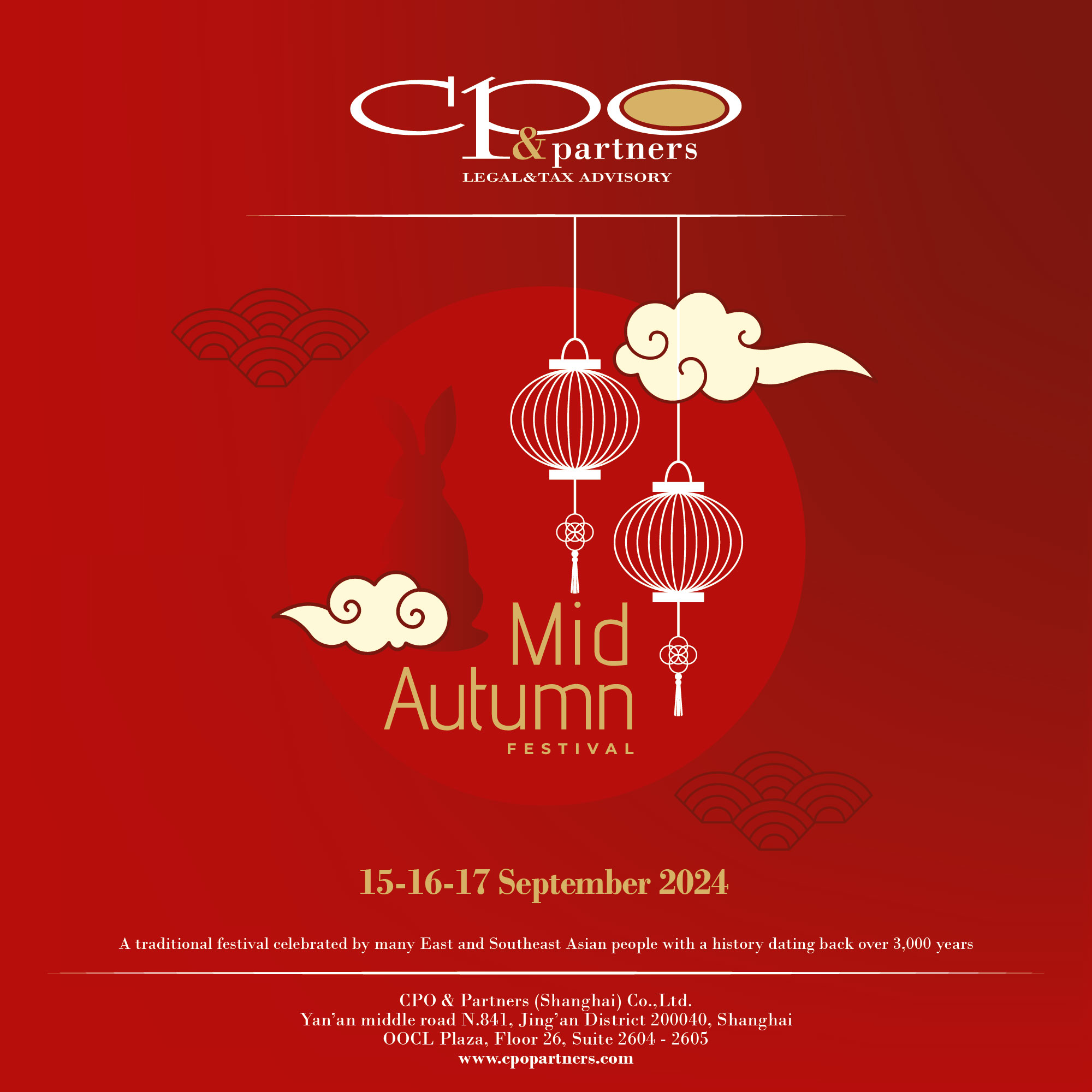
Mid-Autumn Festival, Zhongqiu Jie (中秋节) in Chinese,
is also called the Mooncake Festival or the Moon Festival. It was a ceremony during which people worshipped the moon, as a way to give thanks for the harvest and to encourage the “harvest-giving light” to return in the coming year. Today, it is still an occasion for outdoor reunions among friends and relatives to eat mooncakes and watch the moon, a symbol of harmony and unity. Making and sharing mooncakes is one of the hallmark traditions of this festival.
Happy Mid-Autumn Festival from all CPO Staff !
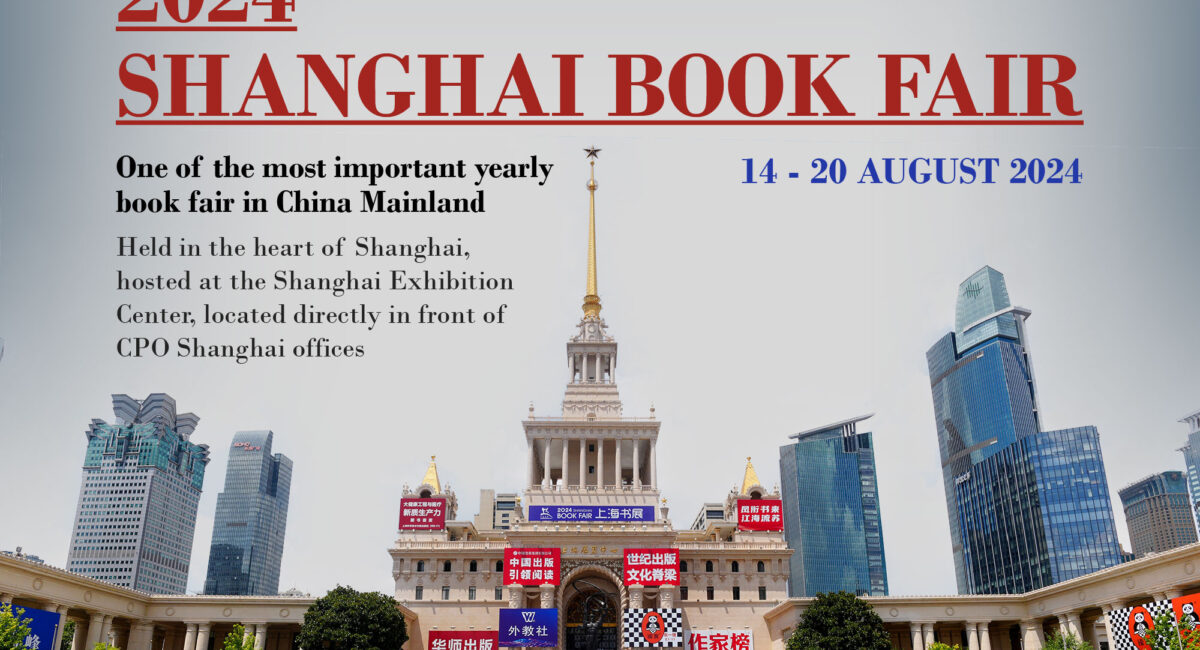
2024 Shanghai Book Fair
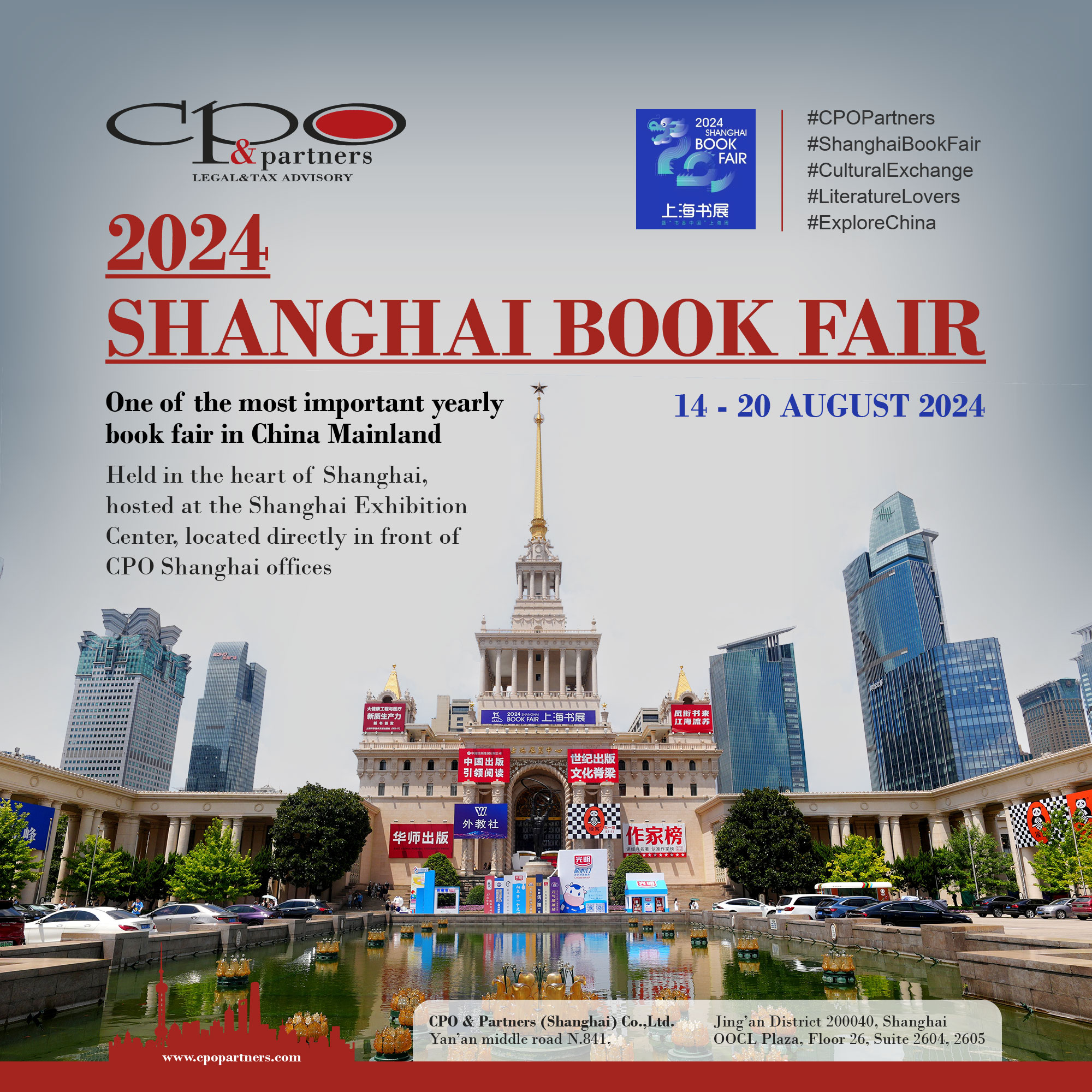
2024 Shanghai Book Fair
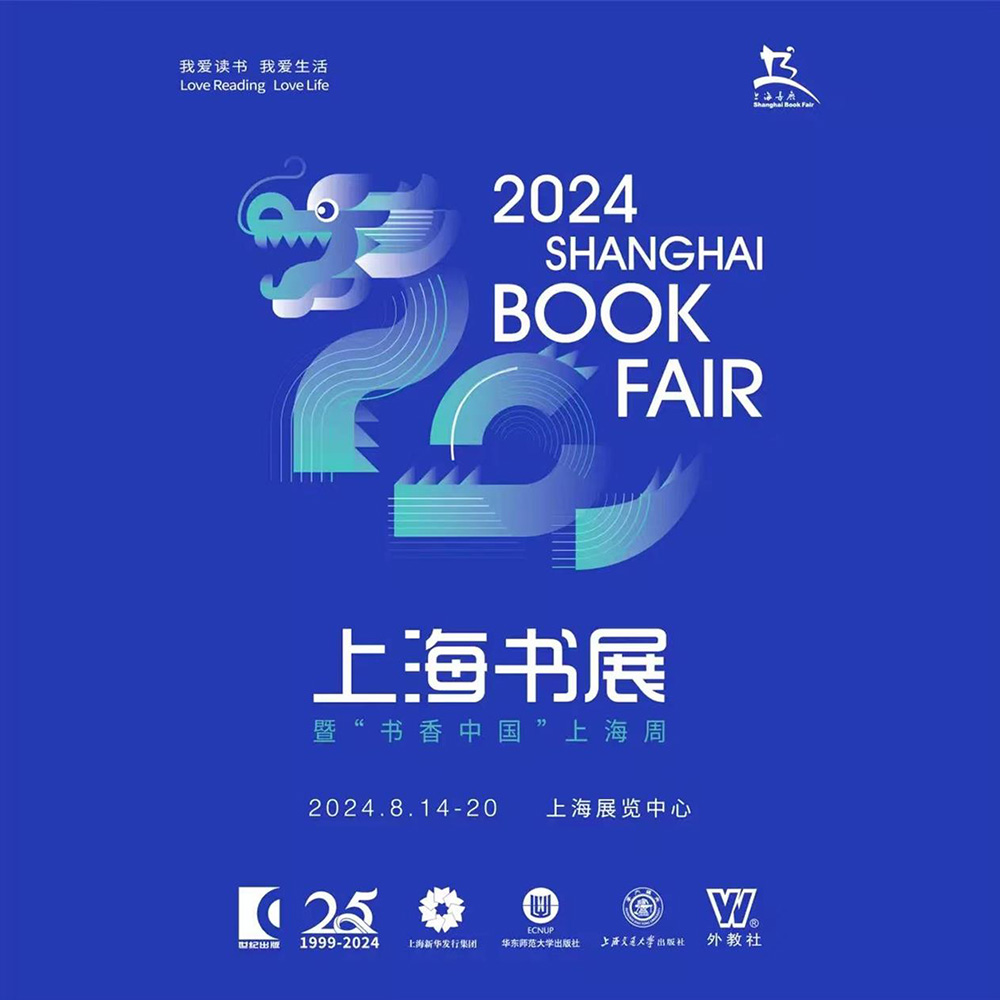
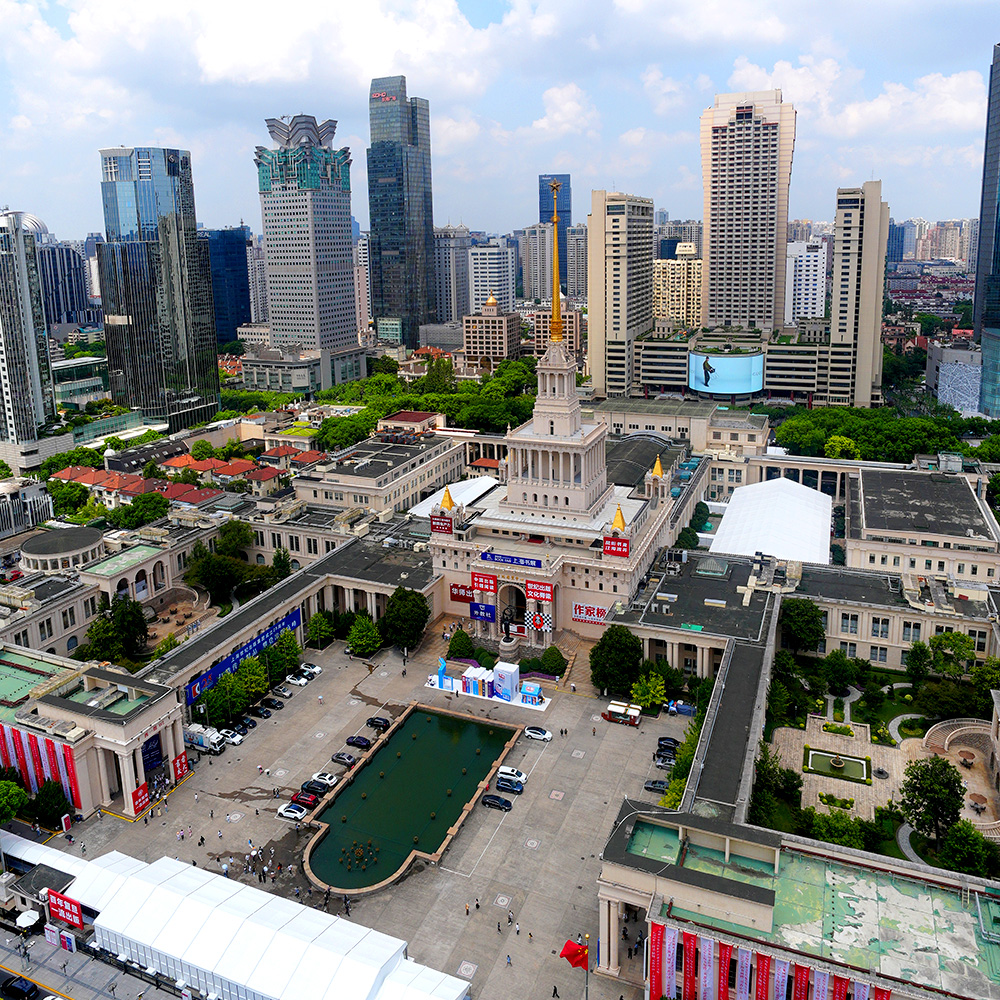
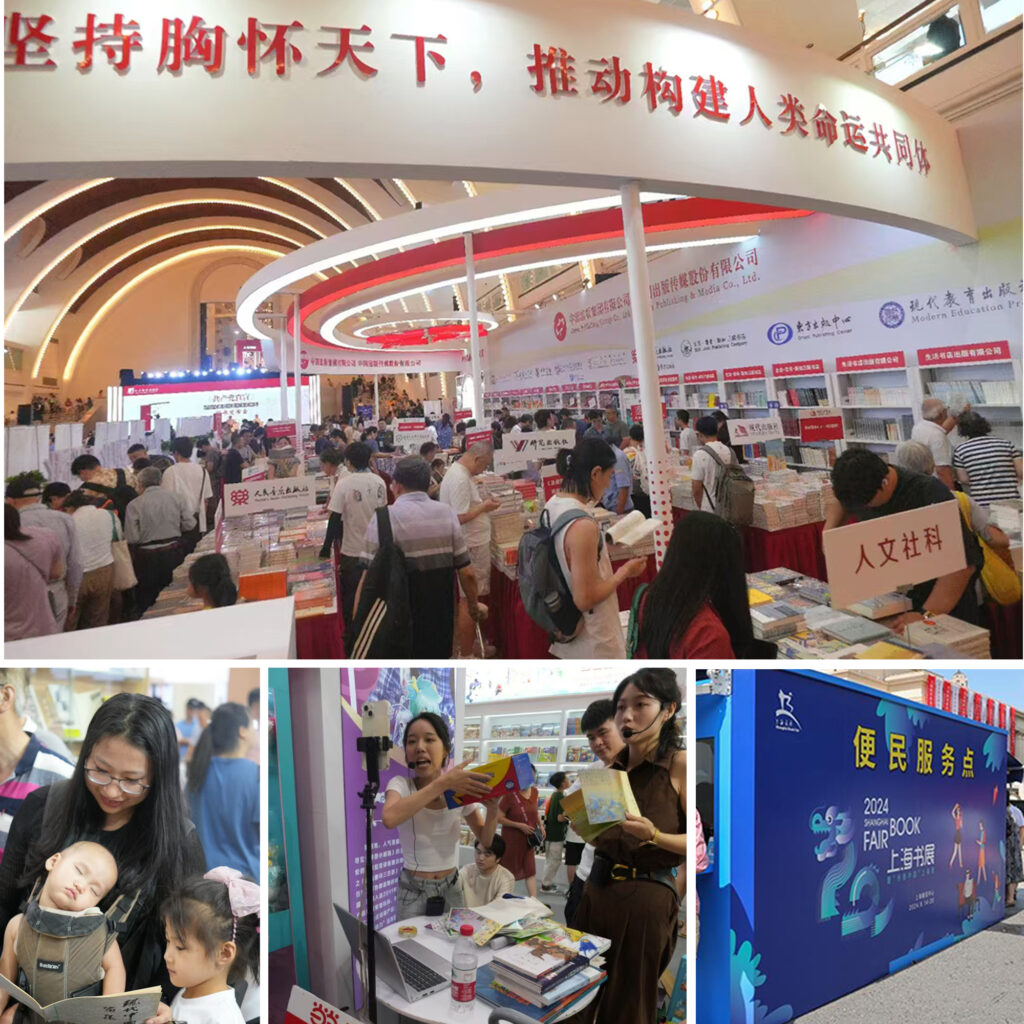
The 2024 edition of the Shanghai Book Fair, one of the most important yearly book fairs in Mainland China, organized since 2004, is being held from 14 to 20 August in the heart of Shanghai, hosted again this year at the Shanghai Exhibition Center, the venue of numerous prestigious international and non-international fairs, located directly in front of CPO Shanghai offices.
Offering a vast selection of foreign language books, among the almost 30,000 titles on display, the Fair promotes the interaction between different cultures and languages, presenting itself as a point of reference for anyone who wants, through reading, to begin learning about China or deepen specific interests. Another reason for attraction, perhaps not known to everyone, is the cost of books in China, extremely low, with university texts that for example cost 5-10 euros per book for new editions just printed. For those who happen to be in Shanghai during this period and love reading, visiting the Fair is highly recommended.
China Visa exemption for Italian citizens
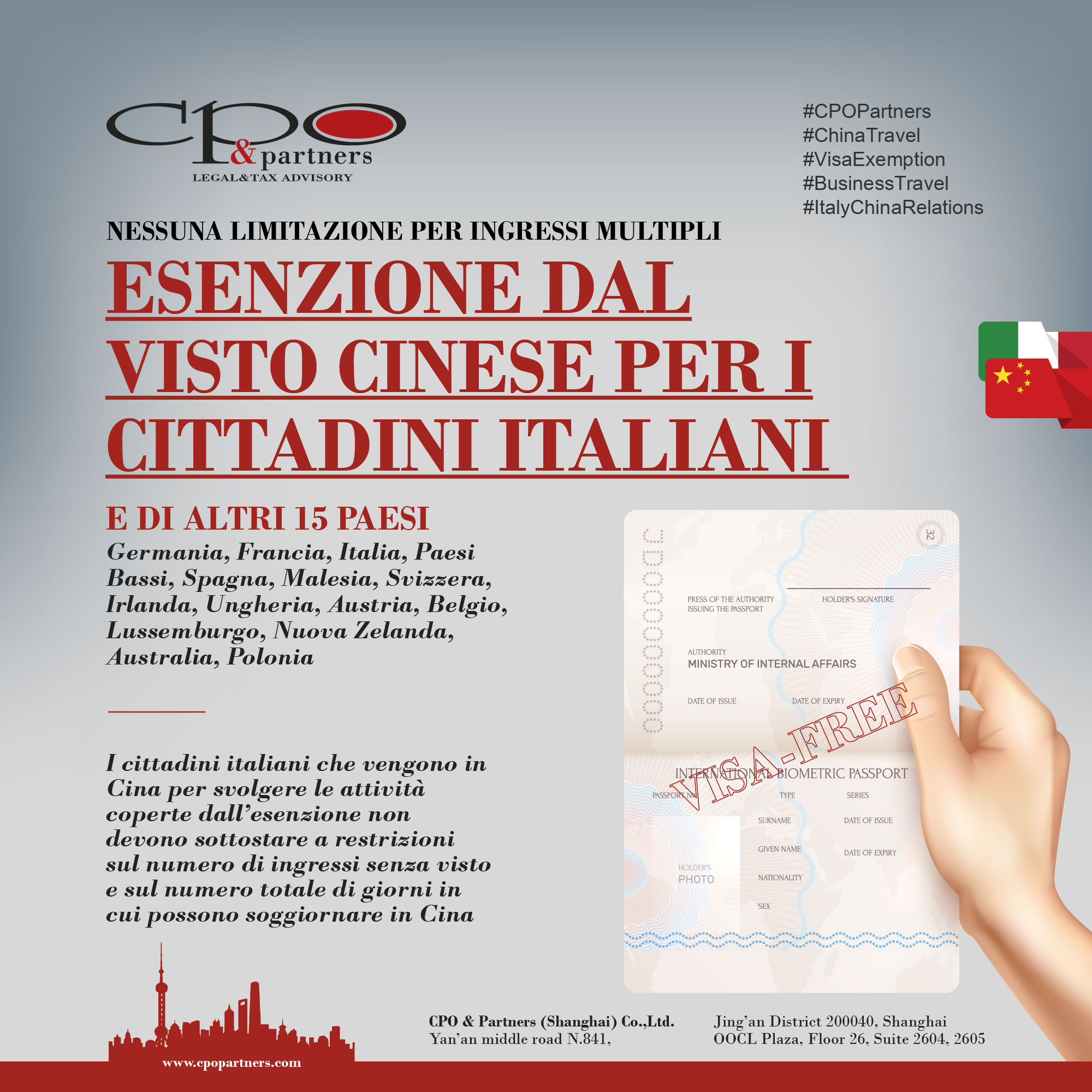
China Visa exemption for Italian citizens – No limitations for multiple entries
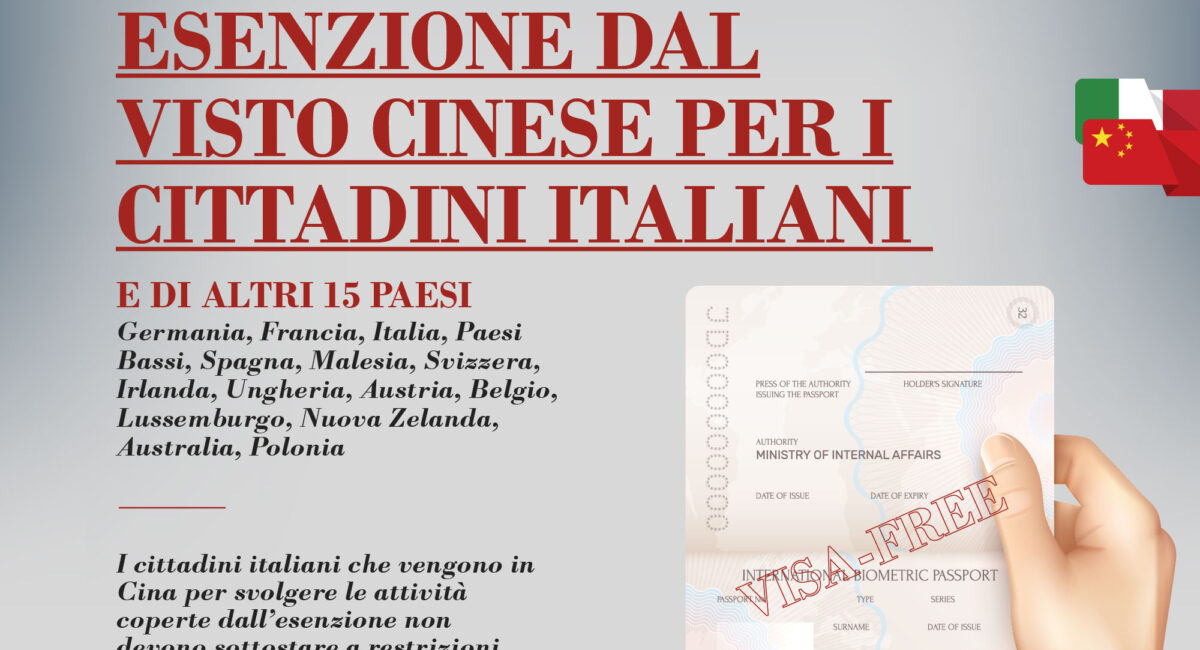
Regarding the visa exemption for Italian citizens who travel to China for 15 days, valid until 31 December 2025, considering the importance of the policy for those who plan to visit the country for the reasons covered by the exemption, i.e. business, tourism, visiting relatives and friends, and transit, a practical clarification is useful.
The Embassy of the People’s Republic of China in Italy specified how the exemption works in relation to the possibility of multiple entries, requirements for the time interval between each entry, and restrictions on the total cumulative number of days in which one person can stay in China.
Italian citizens who come to China to engage in the activities covered by the exemption are not subject to restrictions on the number of visa-free entries and the total number of days in which they can stay in China. If they wish, they can thus enter multiple times into the country for a period of 15 days for each stay, having the option to leave and re-enter each time by departing from any country or region outside of China.
Travelers to China are advised to keep supporting documents, especially for travelers with numerous entries, such as invitations, airline tickets and hotel reservations in line with the purpose of the visit.

Negotiations between China and Peru
Negotiations between China and Peru for a Treaty to avoid double taxation
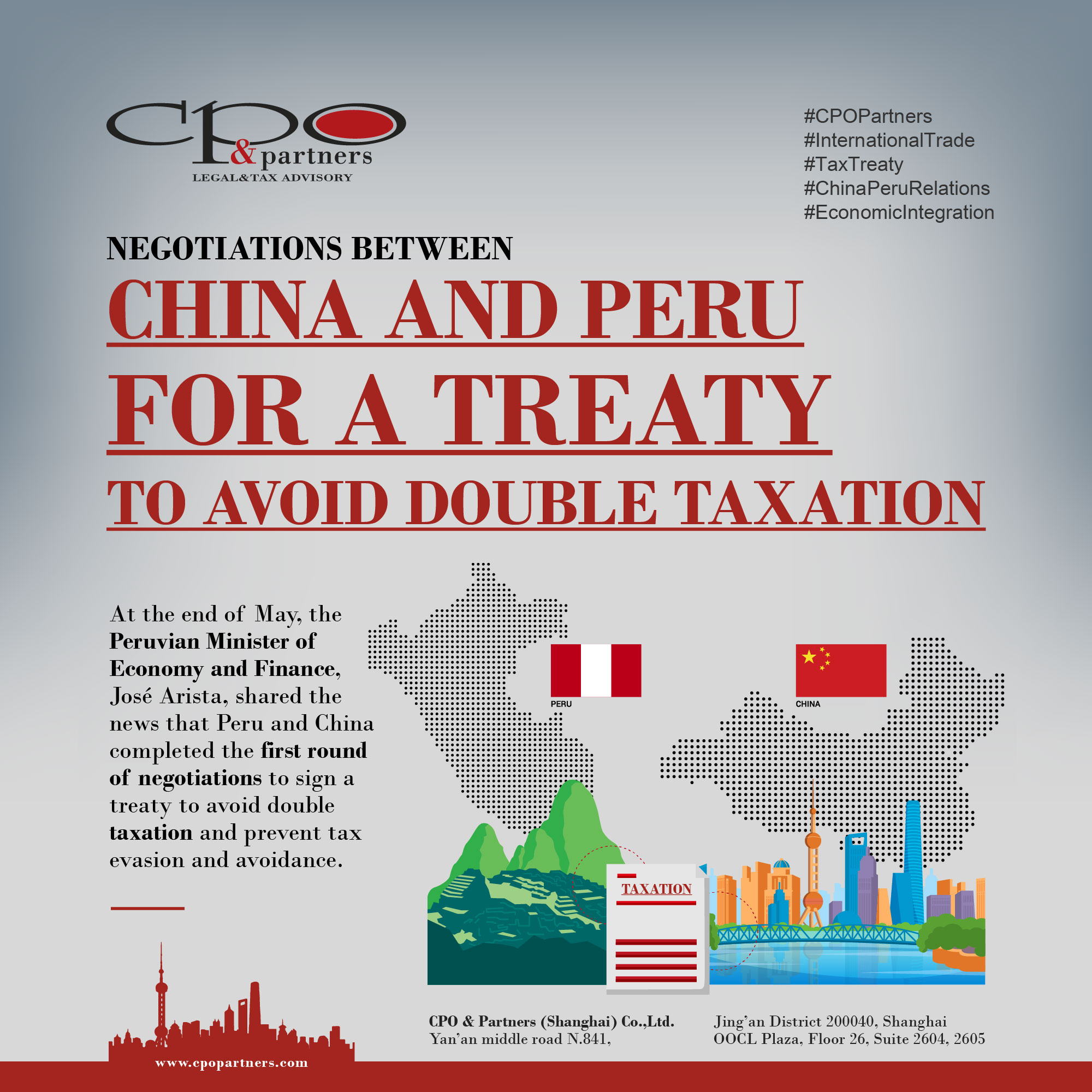
At the end of May, the Peruvian Minister of Economy and Finance, José Arista, shared the news that Peru and China completed the first round of negotiations to sign a treaty to avoid double taxation and prevent tax evasion and avoidance. A second round is expected to start in November of this year, which could lead to the final signing and ratification between the parties. The agreement will touch upon the fields of trade in goods and services and of investments, by reaching a greater integration between the respective economies. The planned treaty signals the importance of the Peruvian market for China, considering that the Asian nation is the first destination for Peru’s exports, for an amount of 23 billion dollars in 2023. In recent years, China has also been keen in investing in the country, especially in the mining, energy and transportation sectors. The new agreement will reinforce the legal institutional framework already existing between China and Peru, which signed a Free Trade Agreement in April 2009.

Shanghai, an action plan to facilitate payments for foreigners

The Shanghai Municipality promotes an action plan to facilitate payments for foreigners
The General Office of Shanghai Municipality has released the “Shanghai Action Plan to Further Improve Payment Convenience”, aiming to streamline payment procedures for foreign visitors coming to China.
The expected objectives will concern the following areas:
– Wider acceptance of foreign bank cards at key locations such as restaurants, supermarkets, pharmacies, hospitals, tourist attractions, hotels, transportation centers;
– An increase in the availability of ATMs from which it is possible to withdraw with foreign bank cards and the maintenance of cash payment channels, as well as a greater presence of foreign currency exchange points;
– The optimization of mobile payment services, facilitating the use of payments by “foreign-card bound” on the main local platforms (WeChat Pay, Alipay);
– The simplification of services relating to bank accounts for foreigners, from online appointment for account opening to the provision of multilingual services;
– The creation of dedicated areas in Pudong and Hongqiao airports and in star hotels, where visitors can purchase cards for city transport and exchange currency, receiving local currency even in small denomination;
– Greater communication activity, to promote the new measures to foreigners through the use of guides, promotional videos and dedicated consultancy structures.
The plan proposed by Shanghai is in line with the measures proposed for the entire Chinese national territory. The difficulty of making payments using foreign bank cards represents in fact another barrier, in addition to the linguistic and cultural ones, that visitors arriving in China face, making facilitation in this regard increasingly necessary.
https://www.shanghai.gov.cn/nw12344/20240430/17d55b402ea04e3eadb86983b1850681.html)

Update of the double taxation Agreement
Update of the double taxation Agreement between the Italian and Chinese governments
On 15 April 2024 the Council of Ministers, upon the proposal of the Minister of Foreign Affairs and International Cooperation, Antonio Tajani, approved a bill for the ratification and execution of a previous Agreement stipulated with the government of the People’s Republic of China regarding double taxation with respect to income taxes and the prevention of tax evasion and avoidance.
The text approved on 15 April updates the already existing Agreement signed between the two States on 31 October 1986, in order to adapt the legislation to the recommendations of the OECD/G20 BEPS (Base Erosion and Profit Shifting) project.
The updated Agreement applies to residents of the contracting States, and for Italy in particular relates to IRPEF, IRES and IRAP taxes, by setting general and subsidiary criteria through which defining a person as “resident of a Contracting State”, and by clarifying the cases in which a “permanent establishment” is involved.
The approved text regulates specific topics related to the double taxation issue, among which there are: taxability of real estate income, which must be taxed in the State in which the real estate that represents the income source is located (albeit in a non-exclusive manner); the treatment of business profits, as well as profits deriving from the operation, in international traffic, of ships or aircrafts; taxation rules for capital income regarding dividends, interest, royalties and capital gains; distribution of taxation in the two contracting States in relation to: independent professions, subordinate work, members of management and supervisory boards, remuneration from artistic and sporting activities, as well as sums received as pensions or for other public functions performed; the criterion of exclusive taxation in the State of residence for any other residual type of non-mentioned income; the methods for eliminating double taxation, in accordance with the domestic legislation of each contracting State; anti-abuse provisions, the principle of non-discrimination, the mechanism of the amicable procedure for the resolution of disputes, and the exchange of information between the two States.
This initiative signals the intention of both governments to improve the condition of Italian companies operating in China and to give more certainty to Chinese investors interested in or already engaged with the Italian business environment.
Knowledge sharing on new business regulations for investment projects
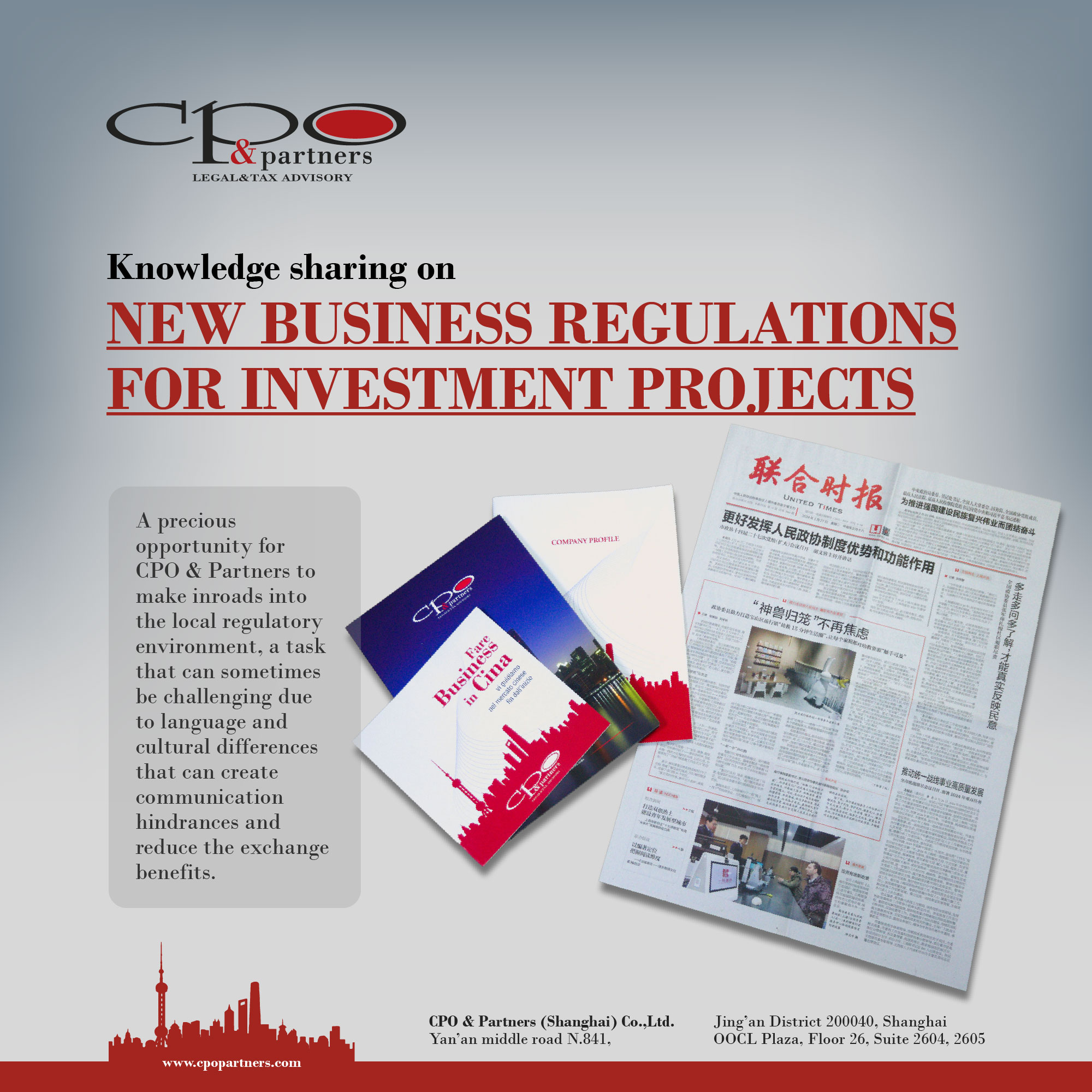
The business regulatory environment in China is in constant evolution, prompting local administrations to understand, manage, and carry out the new regulations issued at the national and provincial level, a task that can be burdensome due to the complexity of the matters involved. Recently, the Shanghai Municipality issued the «Shanghai Action Plan to Adhere to Benchmark Reform and Continuously Create a World-Class Business Environment», whose main intent is to reach a greater optimization of the business environment in China, so as to attract top-quality domestic and international companies.
As a legal and tax consultancy firm with a solid footprint in Shanghai, CPO & Partners went to visit the Jing’an Administrative Service Center to have a meeting with the district administration on the new policies for investment projects found in the «Shanghai Action Plan».
This represents a precious opportunity for CPO & Partners to make inroads into the local regulatory environment, a task that can sometimes be challenging due to language and cultural differences that can create communication hindrances and reduce the exchange benefits. Moreover, dealing with the district authorities is a good way to network with local offices and understand their functioning, in the belief that only by properly knowing the administrative system one can accurately provide consultation, in order to reach a win-win outcome that is advantageous for both parties.
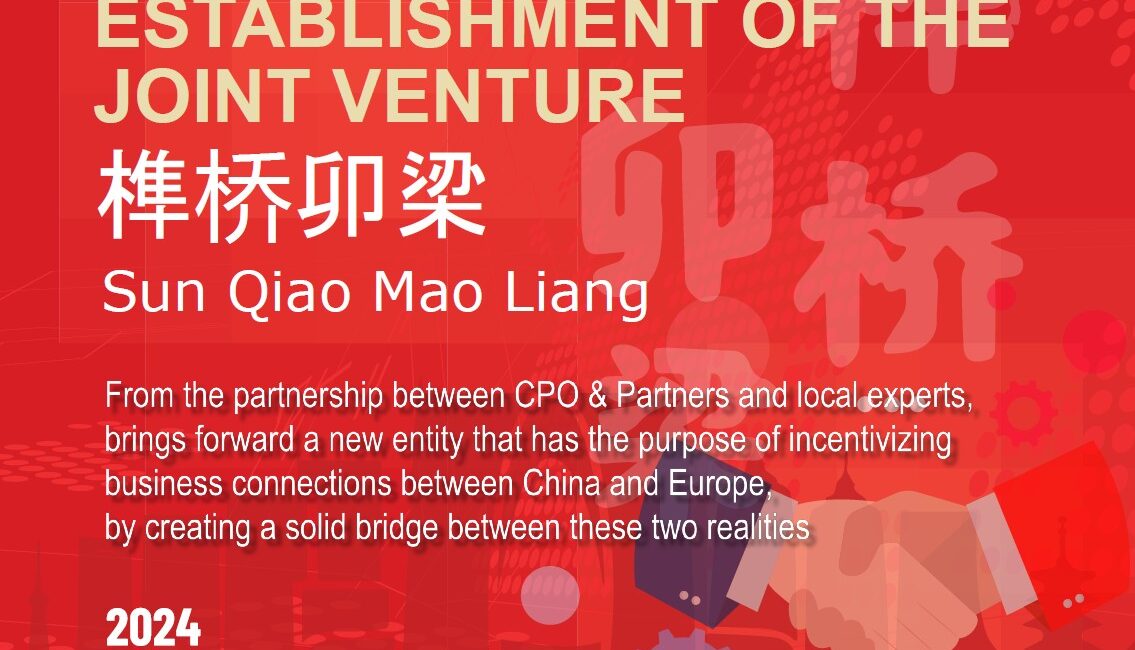
ESTABLISHMENT OF THE JOINT VENTURE
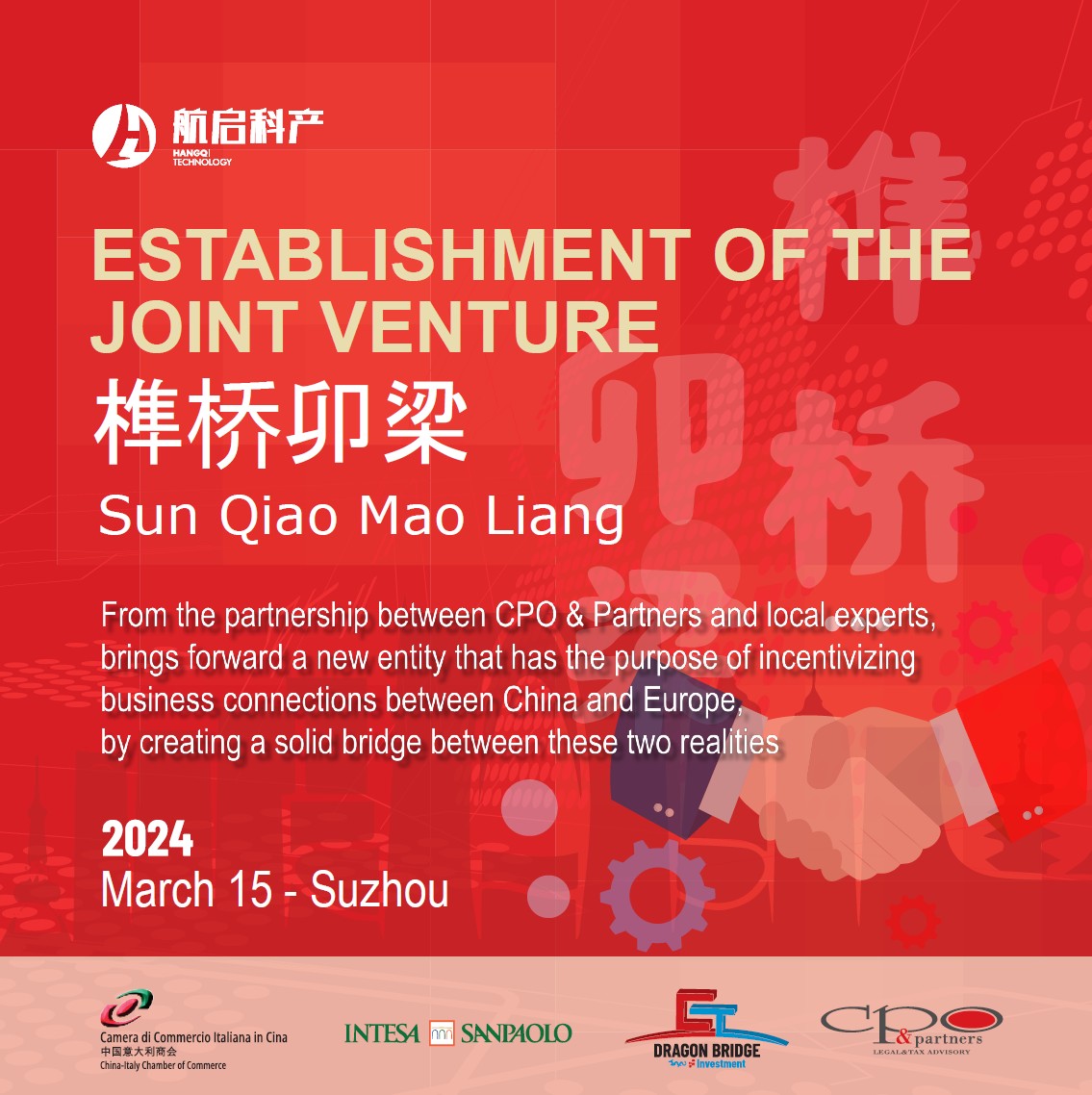
合资企业榫桥卯梁的成立是由[中国公司名称]和[外国公司名称]之间的合伙关系产生的,创造了一个新的实体,目的是激励中国和欧洲双方之间的商务联系,通过在这两个实体之间建立一座坚实的桥梁。 这个新项目的名称本身就是对引导这种合伙关系的信念的声明。 这四个汉字实际上是融合两个单词做的:“榫卯”和“桥梁”。 第二个是桥梁,标志着合资企业在中国和欧洲商业世界之间建立的通道。第一个是榫卯,一种结构,具有更丰富的文化意义,深入中国历史。 榫卯是中国古代建筑和家具用的一种结构方法,为凹凸部分组合在一起,而不使用任何钉子。 它的独特特点之处不仅在乎它的创造力,也在乎需要每个成分之间的完美配合。正是这种完美的配给了整个结构坚实性和耐久力,故宫/紫禁城就证明了这一点,它是这种结构方法的一个珍贵例子,显然[stand the test of time. Maybe there is a specific Chinese expression to state this]。
正是根据这种精神,榫桥卯梁将对我们的客户建立完美和持久的配合,在中国和欧洲之间建立一座稳定的桥梁,一个坚实基础能够抵抗时间的挑战。
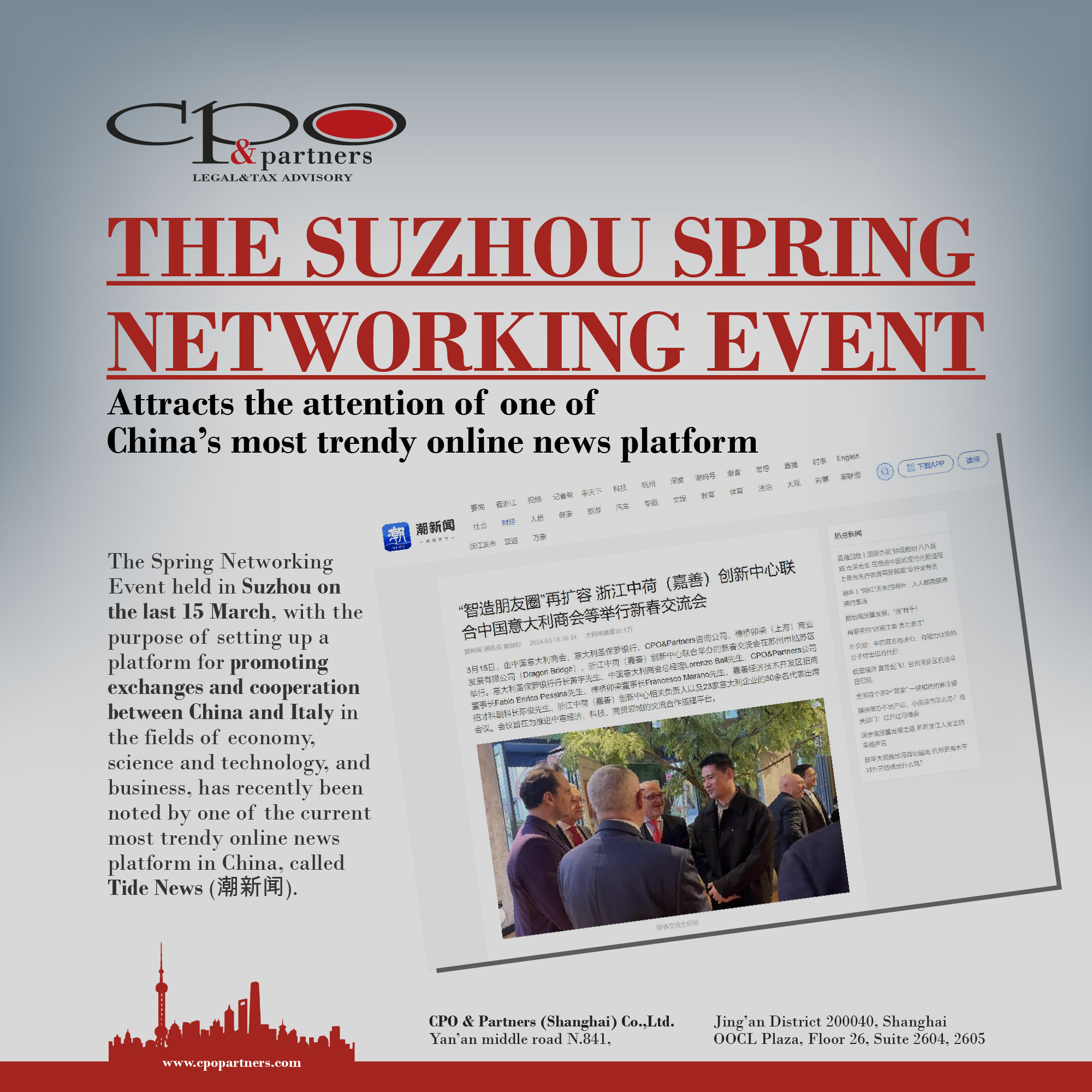
为了介绍这家新合资企业,由中国意大利商会、意大利圣保罗银行,赛珀欧(上海)企业管理咨询有限公司和嘉善航启科产园区管理有限公司主办的会议将于 3 月 15 日在苏州举行。在这项会议期间也将概述中国和意大利之间当前和未来的商业关系。